
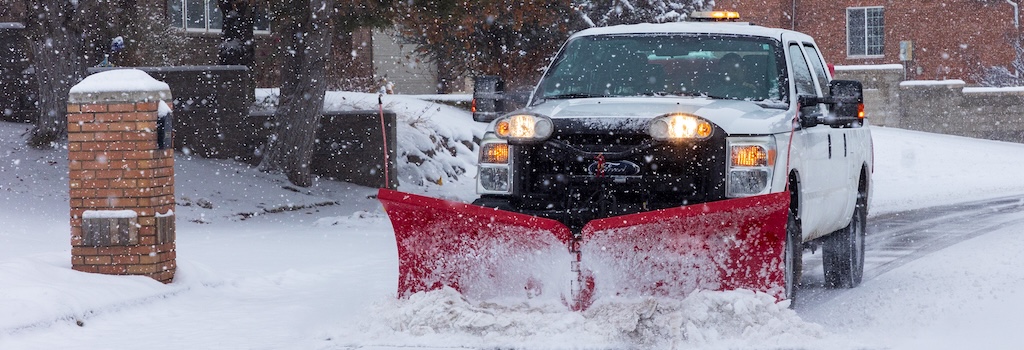
The Work Starts Before the Forecast and Continues Post-Storm
A well-run snow removal response follows the weather throughout the event, starting with forecasts before the flakes arrive. Snow crews often reach an office parking lot hours before the morning shift. During a long storm, that same lot might need another pass by lunchtime. Lot clearing and pedestrian work continue as snow accumulates, and ice checks follow the storm.
Knowing what quality snow removal services look like gives you a head start as we head into the coldest months of the year. As you gather quotes from snow removal companies for your commercial property or business, keep this article in mind, so you can get the best service for your money.
Forecast Monitoring Gives Snow Removal Crews a Head Start
Snow removal companies watch the expected arrival of precipitation and plan for the hours of heaviest accumulation. Preparation begins even before a storm, with up-to-date forecasts and the latest radar scans of approaching weather. Snow removal companies also monitor temperature changes, since a storm that starts as rain may require minute-to-minute recalibration to treat areas for freezing precipitation rather than dry snow.
A plow plan then has to be sequenced based on the forecast and the properties scheduled along the route. An office that opens at eight has a different schedule from a warehouse changing shifts at five. The team reviews those access needs before assigning crews and preparing equipment. Forecast monitoring continues up to the beginning of the storm and throughout it. If the snow arrives earlier or falls faster than expected, the response shifts accordingly.
Pre-Treatment Depends on the Pavement and the Storm
Before snowfall, a crew considers whether an anti-icing treatment is appropriate. Anti-icing agents reduce the bond between frozen precipitation and pavement, making later clearing easier, especially for high-foot-traffic areas or driveways where falls or accidents could be dangerous. Timing is important, as the treatment must be applied before ice has formed.
Pavement temperature matters as much as the air temperature. Crews choose material suited to the surface conditions and expected temperature trends. Rain ahead of the snow may add another consideration because it can dilute or wash away a liquid treatment.
Deicing agents and timely treatments require stocking these commercial snow removal products before snow is forecast, so that treatment can stay ahead of the storm. Your snow removal service should be planning months and weeks ahead of winter weather, so they can respond quickly when precipitation arrives.
And while pre-treatment is an important consideration, it does not replace plowing or walkway clearing. Commercial snow removal still requires crews to remove accumulation and address ice as conditions change.
Overnight Snow Removal Should Follow the Site’s Accessibility Needs
Commercial snow removal crews mobilize according to the service plan agreed on before the season, and respond to the developing conditions at each property. Some sites may have an accumulation trigger depth for plowing written into their service agreement. Others need ongoing attention around shift changes or early arrivals. Ice on a business entrance walkway must be addressed even if there is little snow in the lot. The specific needs of your property should be explicitly listed on your service agreement. Optimally, you would sign this agreement before the winter weather season begins, so you are prepared for Mother Nature’s worst.
For an overnight storm, crews head out early enough to clear snow and ice ahead of the property’s opening. Plow operators and workers clearing pedestrian routes have different tasks and may have different shifts as a result. The goal is a fully accessible site during business hours, but snow removal services do not always happen in one uninterrupted visit. Depending on the site and staffing, lot clearing and sidewalk work may happen at different points during the storm response.
Snow Clearing Routes Should Account for Opening Times and Property Layouts
Route sequencing is more involved than serving the nearest parking lot first. Crews account for agreed-upon property priorities and the time it will take to clear each site. A large lot with several entrances requires a different time commitment than a small office with one driveway. A quality commercial snow removal contractor should be able to explain their rationale for property priorities and still clear your lot by your business’s opening time.
Within a property, snow removal should follow a site plan. Operators open the most-needed drive lanes and parking areas first, while pedestrian crews clear high-traffic entrances and walkways. Snow piles must be moved to pre-planned locations that avoid blocking sightlines or taking over needed parking spaces.
This is one place a local snow removal company’s knowledge of each property matters. A crew’s familiarity with their clients’ entrances and loading areas, or corners and special structures where drifting snow may collect, enable the removal team to clear each lot more efficiently. Snow removal companies working nearby properties also spend less of each shift traveling between distant sites. Especially during heavy snowfall, a lot may need multiple pushes to stay drivable. Since a local snow removal service is based in the area, they are more likely to be able to return to your property when conditions call for multiple passes.
A Long Storm Often Requires Several Plowing Passes
A first pass at two in the morning cannot keep a lot clear through another eight hours of snowfall. Repeated snow removal visits address that new accumulation. An early pass opens access for arriving workers; a later pass clears the snow that fell afterward. A final cleanup follows once the storm winds down.
Return timing should follow the site’s service plan and changing conditions. Crews also need to keep property managers informed about completed work and the next expected visit, especially when snow continues through the business day. An experienced commercial snow removal company communicates these appointments so you can stay open and focus on your first priority: serving your customers.
Post-Storm Work Includes Ice Checks and Snow Pile Management
Once the main snowfall ends, crews clear remaining winter accumulation and review the areas affected by plowing. Walkways are checked and treated for re-freezing. Snow pushed near pedestrian entrances is removed so the sidewalks remain usable. Larger piles sometimes require relocation to preserve parking space or visibility.
Ice management continues after the last plowing pass. Melting snow can drain across pavement and refreeze as temperatures fall. Shaded walkways and busy entrances are areas of special consideration. Crews remove snow mechanically before applying suitable deicing material to the parking and walking surfaces, for continued protection.
The completed work should be recorded, including the areas cleared and treatments applied, so both the snow removal contractor and client have a record of and are satisfied with the work. The goal, always, should be effective snow removal services so that your commercial property functions without incident despite winter weather. Comparing multiple quotes against these parameters will give you the best baseline when deciding which commercial snow removal service you’ll use for your property.